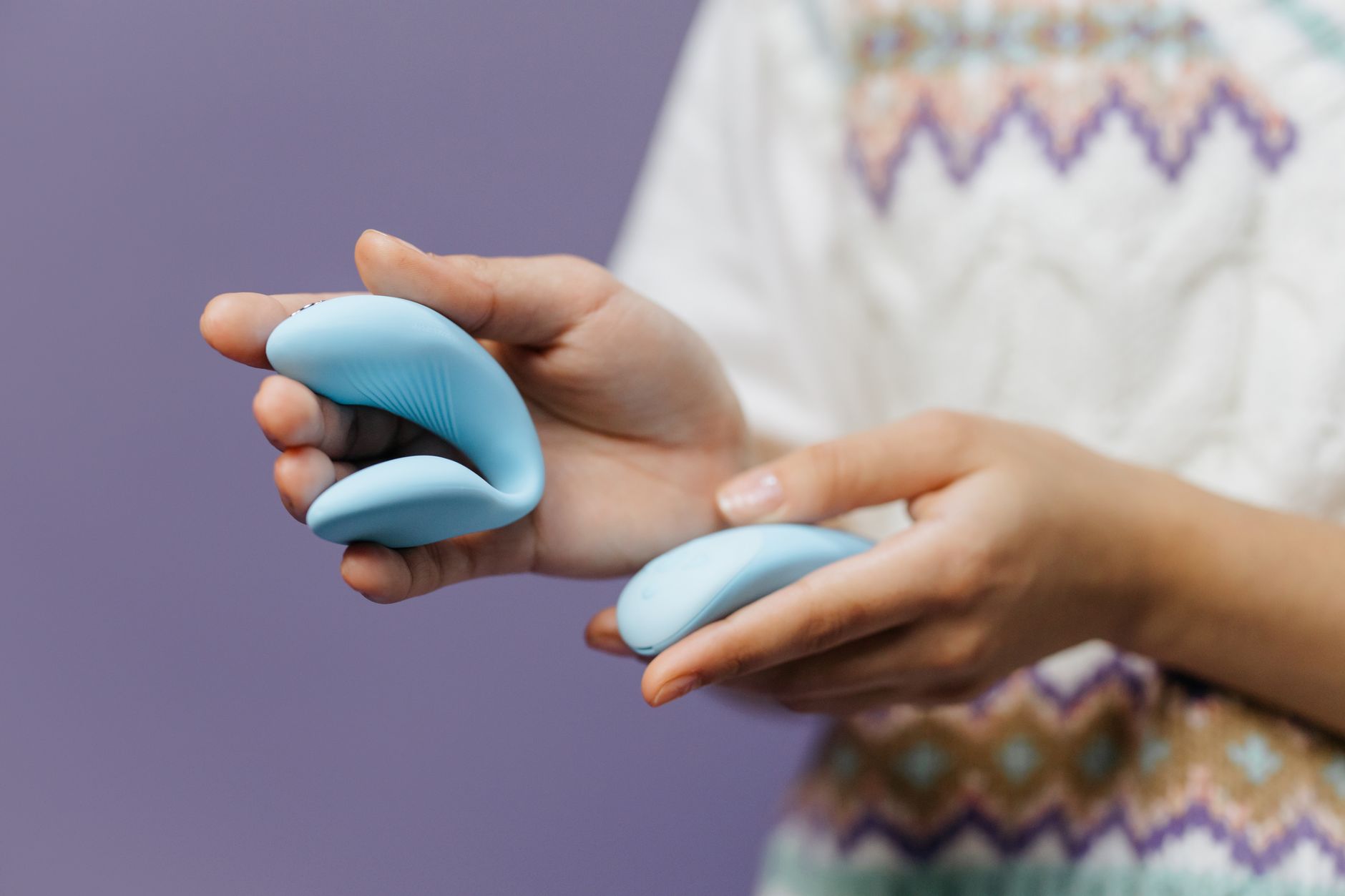
The hardest part isn't the sex
Let's be real: rebuilding intimacy after infidelity isn't about mechanics. It's about whether you can feel safe with someone again. The sex part is usually the thing couples avoid talking about because the real conversation feels too big, too scary, or too raw.
But here's what I've seen in my practice. When couples skip the physical reconnection entirely, waiting until trust is "perfect" again (spoiler: it never is), they miss a window. The body remembers safety differently than the mind does. Sometimes, relearning pleasure together is actually the fastest way back to trust.
Lemon vibrators aren't a fix. But they can be a permission structure. A way of saying, "I'm choosing this with you." And that changes everything.
Why this matters right now
Infidelity fractures three things: trust in your partner, trust in your own judgment, and often, the ability to feel desire around that person. The desire part gets buried under the other two, but it's just as real. Your nervous system learned that this person is unsafe. Rewiring that takes time, intention, and something concrete to rebuild around.
Many couples I work with find that introducing a new tool into the physical space actually helps. Not because it erases what happened, but because it changes the context. There's no "before" to compare it to. No familiar rhythm that carries the weight of hurt. It's genuinely new.
Lemon clitoral vibrators especially work well here because they're not tied to penetration or the traditional partnered choreography that might feel loaded right now. They're focused, clear, and give you one thing to pay attention to: sensation. That's grounding when everything else feels uncertain.
Starting the conversation about reintroduction
This part matters as much as the physical tools. You can't just show up one night with a toy and expect it to land well. Trust needs to be rebuilt in conversation first.
I recommend framing it not as "we should have sex again" but as "I want to explore rebuilding pleasure together." That's different. One feels obligatory. The other feels like choice.
Bring it up outside the bedroom, at a time when you're both calm and have space to talk. "I've been thinking about how we reconnect physically. I know it feels impossible right now. What if we used something specifically designed to help us rebuild that connection?" Simple. No pressure. Just an idea.
The other partner's job is to listen without defending, explaining, or pivoting to their own pain. Just listen. Then say what you need to feel safe trying.
The lemon vibrator as a neutral third party
Here's something therapists don't always name: when you introduce a tool into partnered sex, it becomes a third presence. That sounds weird, but it's actually useful. It's not about him or her. It's about the sensation.
With lemon adult toys, you get an air-suction design that bypasses some of the vulnerability that comes with traditional stimulation right now. There's no performance pressure. The device does consistent work. Both of you can relax into observation, pleasure, and rebuilding.
Start with the receiving partner in control. Use the lemon vibrator solo or on your own body while your partner is present. Not watching like it's a show. Present, but giving you space. This teaches your nervous system that it's okay to feel pleasure around this person again.
When you're ready (and only when), the partnered person can take a turn holding it, using it on you. This is the part where consent and communication live permanently. "That pressure feels good." "Can you go slower." "I need a break." These sentences are how you rebuild trust at the body level.
What patterns to expect and how to handle them
When you're reintroducing pleasure after betrayal, a few things happen.
First: you might feel nothing. Numbness is a legitimate grief response. Your body might be protecting itself. That's not a sign the process isn't working. It's a sign your system is cautious, which is rational. Keep going. Numbness usually thaws, but it takes patience and consistency.
Second: you might feel too much. Intense sensation, sudden tears, unexpected rage. All valid. The body keeps score, and reconnecting physically can unlock feelings that your mind hasn't caught up with yet. This is where your partner's job is to stay present without trying to fix it. "I'm here. Take whatever time you need."
Third: you might discover that pleasure feels different than it did before. That's actually normal and not a bad sign. Trauma changes the nervous system. So does healing. You're not returning to who you were before. You're becoming someone new, ideally together.
The lemon sucker sensation especially helps here because it's different enough from what you knew before that it doesn't trigger the same old associations. You're building a new muscle memory together.
Building a realistic timeline
Don't expect six weeks. Rebuilding intimacy after infidelity is typically a process of months, not weeks. I tell couples to think in seasons.
First month: conversations about what happened, why, and what safety looks like now. Sex isn't the goal. Honest talking is.
Months two to four: reintroduction of physical touch without the goal of orgasm. Massage, bathing together, being naked without pressure. Lemon vibrators can live here, but kept light, exploratory, low pressure.
Months four to six: adding pleasure back in with intentionality. Using toys like the lem vibrator specifically to rebuild sensation and response. This is when you're moving from "can I trust you again" to "can I feel safe enjoying you again."
After that: integration. Sex becomes part of the relationship again, but changed. Ideally, deeper. Built on a foundation of real honesty instead of autopilot.
This timeline assumes both people are showing up, in therapy preferably, and actually doing the work. If one person is moving through the motions while the other is checked out, none of the tools help.
When the lemon vibrator becomes a conversation unto itself
Something shifts when you introduce a specific tool. Sometimes it becomes a symbol. A way of saying "we're both trying." Other times, it becomes an avoidance. You're using the toy to not talk about the actual hurt.
Watch for that. If you're reaching for the lemon vibrator instead of addressing a conflict, pause. The tool is supposed to support the reconnection. It's not supposed to replace the hard conversations.
This is especially true if one partner is using it as proof. "See? We're fine now. We can have sex again." That's not healing. That's moving past without moving through.
Real healing looks like: "This is hard. I'm scared. I still want to try to feel closer to you." And the other person hearing that without defensiveness. And then using the tool together not as a solution, but as a choice you're making in the middle of something broken and in process.
The role of professional support
I say this carefully: lemon vibrators can help. But they can't replace couples therapy. They can't repair the actual breach of trust.
If you're rebuilding after infidelity, you need someone trained in betrayal work. An infidelity specialist or a couples therapist experienced in this specific trauma. The toy is an adjunct. Therapy is the spine of the work.
What therapy does is help you understand why the infidelity happened, what your partner was missing, what you were missing, and whether there's a real path forward. Without that, you're just adding pleasure to an unexamined problem. That usually doesn't stick.
Moving forward with intention
Rebuildingintimacy after infidelity is sometimes the making a relationship deeper. You learn things about vulnerability, boundaries, and real communication that some couples never touch. But it requires both people to actually want it.
The lemon vibrator is a tool. A way of saying: "Let's try this differently. Let's build something intentional together instead of defaulting to what we've always done." That's powerful. But it only works if the conversation underneath is real.
People also ask
How long does it take to feel pleasure again after infidelity?
Every nervous system is different, but most people start feeling real pleasure (not just sensation, but actual desire and satisfaction) somewhere between month four and month eight. Some take longer. Some breakthrough earlier. The key is that you're not rushing it. Pleasure forced is not pleasure. It's compliance.
Can you use a lemon vibrator alone if your partner isn't ready?
Absolutely. Solo pleasure while rebuilding is actually really healthy. It reminds your body that it's not broken. That sensation is still possible. That you're still you, separate from the relationship. When your partner is ready and you've done some talking, that solo knowledge can make the partnered experience feel less loaded.
What if your partner suggests a lemon vibrator and you feel ambivalent?
Tell them. "I'm interested, but I'm also scared." That's the whole conversation right there. Ambivalence is information. It usually means you need more reassurance, more talking, or more time. Honor that. A good partner will wait.
Should you tell your therapist you're using toys during this process?
Yes, especially in couples therapy. It's part of the physical reconnection story. A good therapist will want to know what's working, what's uncomfortable, and whether the toys are being used to support connection or avoid the real work.
Does using a lemon clitoral vibrator mean the relationship is fixed?
No. It means you're willing to try. That's the beginning, not the ending. Fix is the wrong word for relationships anyway. You don't fix them. You tend them. You keep showing up. You keep talking. You keep choosing. The vibrator is just one tool in a much longer process.
What if pleasure comes back but trust doesn't?
This is real. Sometimes the body heals faster than the heart. If you're experiencing pleasure again but you still can't trust your partner, that's information too. It might mean you need more time. It might mean this relationship isn't survivable. Both outcomes are valid. Don't use pleasure as proof that you should stay if your gut is telling you something different.